Dissatisfaction Grows Over Reconstruction, Construction, and Resettlement Processes in Karabakh
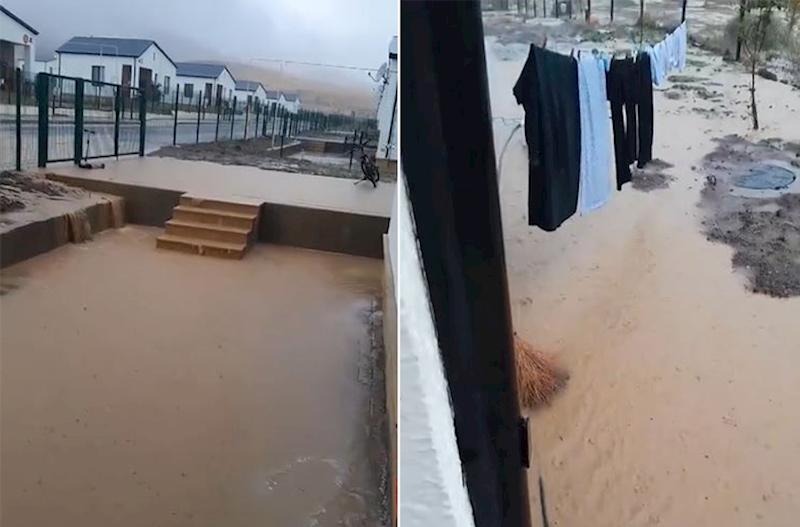
Since 2020, more than 25 billion manats have been allocated from the state budget for the reconstruction and redevelopment of the liberated territories, including funding planned through 2026. However, videos and footage shared by local residents on social media indicate that a number of construction and infrastructure projects have been carried out with poor quality.
The materials show that during heavy rainfall, water floods not only the basements but also the apartments of newly built residential buildings, collapses roadside fences, and washes away asphalt, creating potholes and trenches on roads. Although residents have repeatedly publicized these problems, they say no effective investigations have been conducted and no responsible officials have been held accountable. At best, the defects are addressed through temporary repairs.
Newly resettled residents cite unemployment, limited opportunities for subsidiary agriculture, and bans on keeping domestic animals as their main concerns. Due to the lack of jobs, many families leave their new homes and return to their previous places of residence, primarily Baku. In rural areas, bans on keeping livestock—and in some cases even poultry—have caused widespread dissatisfaction, limiting household farming, self-employment, and income-generating opportunities.
Complaints also extend to poor governance, bribery, and corruption in the region. Allegations of embezzlement and misuse of funds in construction projects have become widespread. Dissatisfaction is not limited to settlers alone; business owners and workers also complain about delayed payments. According to workers, many employed under difficult conditions have not received their wages for the past three months since September 2025.
Relevant state institutions have not issued public statements on these allegations, and the published official reports do not address the reported problems.
More detailed information is available in the following video report.